




Updated on: March 23, 2026
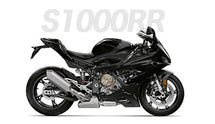
Race fairings for motorcycles are aerodynamic body panels designed to reduce wind resistance and improve performance on the track. These specialized components enhance speed, stability, and visual appeal while protecting critical engine components. Whether you ride a sport bike or racing machine, understanding fairings helps you make informed upgrades that deliver measurable results in both comfort and competitive advantage.
Table of Contents
- What Are Race Fairings for Motorcycles
- Benefits and Aerodynamic Advantages
- How to Install Racing Fairings on Your Bike
- Choosing the Right Fairings for Your Model
- Maintenance and Care Guide
- Common Questions Answered
What Are Race Fairings for Motorcycles
Race fairings for motorcycles are streamlined body coverings engineered to minimize aerodynamic drag and maximize performance. Unlike standard fairings found on street bikes, racing versions feature aggressive styling, lightweight construction, and optimized airflow management. These panels work together as an integrated system to channel wind efficiently around the motorcycle frame and rider.
Modern racing fairings use advanced composite materials such as fiberglass, carbon fiber, and reinforced plastic. Each material offers distinct advantages: fiberglass provides affordability and ease of repair, while carbon fiber delivers superior strength-to-weight ratios for serious competitors. Professional racing circuits and track enthusiasts rely on fairings to gain competitive edges through reduced fuel consumption and improved handling characteristics.
The design philosophy behind racing fairings extends beyond aesthetics. Every curve, vent, and surface angle serves a functional purpose. Air intakes cool brake components, side vents reduce pressure buildup, and nose design influences how air separates from the motorcycle body. This attention to aerodynamic detail distinguishes quality racing fairings from basic cosmetic upgrades.

Streamlined aerodynamic curves and ventilation channels on high-performance body panels.
Benefits and Aerodynamic Advantages
Installing racing fairings delivers multiple performance benefits that appeal to both casual riders and competitive racers. The primary advantage is reduced aerodynamic drag, which directly translates to higher top speeds and improved fuel efficiency. When wind resistance decreases, your motorcycle engine works less hard to maintain velocity, allowing you to achieve greater speeds with identical throttle input.
Enhanced stability represents another critical benefit. Racing fairings channel turbulent airflow around the rider and frame, reducing buffeting and wobble at high speeds. This improved stability builds rider confidence during aggressive cornering and acceleration. Track riders particularly appreciate this advantage when pushing performance limits on closed courses.
Thermal management improvements matter significantly for high-performance applications. Strategic air vents in racing fairings direct cooling flow toward engine cases, radiators, and brake components. Improved cooling prevents overheating during extended racing sessions and extends engine component lifespan. This becomes especially important when running stock cooling systems on modified engines.
From a practical standpoint, fairings protect both rider and machinery. They shield exposed engine parts from debris, road spray, and impacts. During crashes or track incidents, fairings absorb impact energy and minimize damage to costly engine components. Replacement fairings cost far less than repairing internal engine damage.
Visual transformation ranks among the most noticeable benefits. Quality racing fairings dramatically enhance your motorcycle's appearance, giving street bikes genuine track-inspired aesthetics. Many riders choose Honda motorcycle fairings and similar branded options to achieve that competitive edge in looks and performance.
How to Install Racing Fairings on Your Bike
Step One: Gather Required Tools and Materials
Before starting installation, assemble all necessary tools: socket wrenches, screwdrivers, panel removal tools, masking tape, and a workspace manual for your motorcycle. You will need fasteners compatible with your bike model, which typically include bolts, clips, and threaded inserts. Have protective gear ready, including work gloves and safety glasses.
Step Two: Remove Existing Fairings Carefully
Begin by disconnecting your battery to prevent accidental electrical issues. Locate fasteners holding current fairings and remove them methodically, keeping hardware organized in labeled containers. Document the removal process with photos or video, as reference materials prove invaluable during reassembly. Set removed fairings on clean towels to prevent scratches.
Step Three: Inspect Mounting Points and Frame
Examine mounting brackets, tabs, and attachment points on your frame. Clean any debris, corrosion, or old sealant from these areas. New racing fairings require clean, structurally sound mounting surfaces. Repair or reinforce compromised areas before proceeding with installation. This preparation ensures fairings sit properly and resist vibration damage.
Step Four: Position and Fit New Racing Fairings
Carefully position new fairings against your motorcycle frame without forcing them. Check alignment with adjacent panels and ensure flush transitions between sections. Make minor adjustments to mounting tabs if needed. Use painters tape to temporarily hold panels in position while verifying fit accuracy.
Step Five: Secure Fasteners and Test Stability
Install all fasteners following your motorcycle manufacturer's specifications and torque requirements. Begin with bolts finger-tight, then progressively tighten in a cross-pattern to ensure even pressure distribution. This approach prevents warping and stress concentration in any single area. After securing all fasteners, grasp each fairing section and verify it doesn't move or rattle.

Systematic fastener tightening pattern ensuring even panel pressure distribution.
Step Six: Reconnect Electrical Components
If your fairings include integrated lighting or sensors, reconnect these components carefully. Verify all electrical connections are secure and waterproof. Test lighting functions before completing installation. Poor electrical connections can cause intermittent failures during operation.
Step Seven: Final Inspection and Testing
Perform a comprehensive inspection of all fairings, fasteners, and alignment. Take your motorcycle for a cautious test ride at low speeds. Listen for rattles or vibrations indicating loose panels. Address any issues before operating at higher speeds. Allow adequate time for testing in safe environments before returning to regular riding.
Choosing the Right Fairings for Your Model
Selecting appropriate racing fairings requires matching your specific motorcycle model and intended use. Not all fairings fit all bikes, as mounting points and frame geometry vary significantly between manufacturers and generations. Verify compatibility information before purchasing to avoid costly mistakes and return complications.
Consider your primary riding purpose when evaluating fairing options. Track-dedicated fairings prioritize aerodynamics and lightweight construction, sometimes sacrificing street comfort features. Street-legal racing fairings balance performance with practicality, often including provisions for mirrors, lights, and turn signals. Understanding your intended use guides you toward optimal choices.
Material selection significantly impacts durability, maintenance requirements, and performance. Carbon fiber fairings offer superior strength and minimal weight but command higher prices. Fiberglass alternatives provide excellent value and easier repair capabilities, making them ideal for riders prioritizing cost-effectiveness. ABS plastic fairings represent a middle ground, offering durability and affordability.
Quality varies considerably among fairing manufacturers. Establish reputation research by reading owner reviews and checking fitment feedback. Premium suppliers like those offering Suzuki GSXR 1000 fairings and Yamaha R6 fairings demonstrate consistent quality standards and comprehensive fitment support. Professional racing teams typically standardize on proven fairing brands for reliability and performance consistency.
Budget considerations shouldn't overshadow quality. Cheaper fairings often exhibit poor fitment, requiring extensive customization and alignment work. Investment in quality racing fairings eliminates frustration and delivers superior on-track results. Consider fairings as long-term investments rather than consumable products.
Maintenance and Care Guide
Proper maintenance extends fairing lifespan and preserves appearance and structural integrity. Regular cleaning removes dirt, bugs, and road salt that can degrade materials. Use mild soap, soft brushes, and microfiber cloths to clean fairings gently. Avoid abrasive scrubbing pads that scratch clear coat and underlying materials.
Inspect fairings periodically for cracks, stress marks, or separation at seams. Address minor damage immediately to prevent moisture infiltration and structural failure. UV exposure gradually degrades plastic materials, so consider parking in shaded areas when possible. Apply UV-protective wax specifically formulated for plastic surfaces to slow degradation.
Protect fairings during storage and transportation. Use padded covers or custom storage bags to prevent accidental impacts. When transporting your motorcycle, secure fairings so they don't absorb vibration stress. Proper storage techniques reduce cracking and warping caused by temperature fluctuations.
Address crashes or impacts promptly. Even hairline cracks allow water entry, leading to internal delamination and structural weakness. Replace severely damaged fairings rather than attempting complex repairs. For minor damage, manufacturers offer repair kits and touch-up materials that restore appearance and function.
Common Questions Answered
How much speed improvement can racing fairings provide?
Speed gains vary based on motorcycle type, engine power, and fairing design quality. Typical improvements range from five to fifteen miles per hour at maximum velocity, depending on baseline aerodynamics. More significant benefits appear during acceleration and fuel efficiency metrics. Professional racing applications deliver measurable competitive advantages through improved lap times.
Are racing fairings legal for street use?
Most racing fairings are street-legal if they include required safety equipment such as lighting, reflectors, and mirrors. However, specific regulations vary by jurisdiction and local authorities. Verify local requirements before installation. Some aggressive race-spec fairings omit street-legal provisions, requiring modification or replacement for public road use. Always confirm compliance with your regional motorcycle regulations.
Can I install fairings without professional assistance?
Many riders successfully install fairings independently using basic tools and manufacturer guidance. However, professional installation ensures optimal fitment and proper fastener torque specifications. If you lack mechanical experience, significant structural modifications, or integration with custom components, professional installation provides valuable insurance against costly mistakes. Weigh time investment against professional labor costs when making this decision.
What should I expect to pay for quality racing fairings?
Quality racing fairing sets typically cost between four hundred and two thousand dollars, depending on material selection and manufacturing standards. Carbon fiber options command premium prices, while fiberglass alternatives offer significant savings. Budget racing fairings under four hundred dollars often sacrifice fitment accuracy and finish quality. Consider fairings as performance investments where quality justification becomes apparent through improved results.
How do racing fairings affect motorcycle handling?
Properly designed racing fairings improve handling by reducing turbulent airflow and enhancing stability. They add minimal weight when constructed from modern materials, avoiding negative handling impacts. However, poorly fitted fairings can create weight distribution problems. Quality fairings from reputable manufacturers integrate seamlessly without compromising handling characteristics or performance dynamics.
Which brands offer the best racing fairings for sport bikes?
Several manufacturers deliver excellent racing fairings for popular sport bike models. Quality providers offer Honda CBR600RR fairings and similar specialized options with proven track performance. Research owner reviews, competition results, and manufacturer reputations to identify suppliers matching your specific motorcycle model and performance expectations.
Racing fairings represent intelligent investments for riders seeking performance improvements and enhanced aesthetics. Whether pursuing track competition or street bike enhancement, quality fairings deliver measurable benefits through aerodynamic optimization and professional engineering. Approach fairing selection methodically, prioritizing fitment accuracy and material quality to ensure satisfaction and performance gains that justify your investment.